Martinely: A Graceful Script Font for Digital Elegance
I had a client’s portfolio homepage open, the hero section feeling a bit too generic. The headline, “Creative Direction & Brand Design,” sat there in a clean sans serif, professional but lacking a certain personality. I needed a touch of elegance, something that whispered creativity rather than shouted it. That’s when I imported Martinely. Dropping that phrase into the headline field transformed the entire mood. The thin, graceful letterforms introduced an immediate sense of artistry and refined style. It was no longer just a statement; it became an invitation.
The Digital Character of Martinely
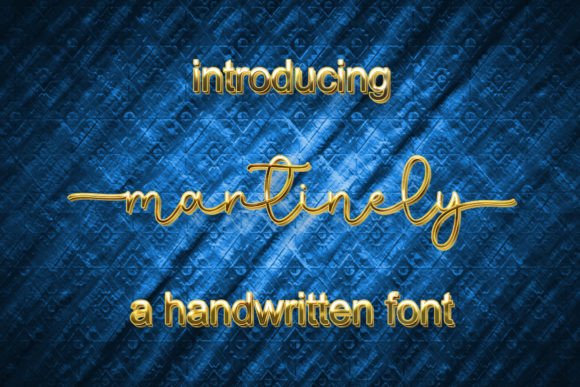
Martinely is a thin-lettered script font with a distinctively ravishing style. Its personality is one of delicate confidence. The strokes are fluid and connected, but never overly casual or messy. This gives it a modern, almost editorial feel, perfect for digital spaces that want to convey premium quality and thoughtful design. The mood it sets is soft, sophisticated, and intentionally crafted—ideal for brands in creative industries, lifestyle coaching, boutique e-commerce, or any online presence aiming for a touch of human elegance against a digital backdrop.
From a technical standpoint, the fact that Martinely is PUA encoded is a significant benefit for web and digital designers. This means all those beautiful glyphs and swashes are accessible and ready to be used without fuss in your design software. You can easily implement alternate characters to add variation and uniqueness to key headlines or logos, ensuring your digital typography doesn’t look repetitive or template-generated.
Practical Applications in Web Design
After testing Martinely across several live projects and mockups, its strengths in specific digital applications became clear.
It excels as a display font for moments that need visual emphasis and emotional pull:
- Hero Section Headlines: On landing pages for courses, creative services, or product launches, Martinely draws the eye and sets a premium tone.
- Website Header Logos: For a boutique online store or a designer’s portfolio, using Martinely for the brand name itself creates a memorable and stylish anchor.
- Section Titles: Breaking up a long sales page or service page with elegant titles keeps the layout visually engaging.
- Call-to-Action Phrases: Phrases like “Start Your Journey” or “Get the Guide” on buttons or banners gain a personal, inviting quality.
- Blog Post Feature Graphics: Titles overlaid on imagery for blog posts or digital magazines gain an editorial sophistication.
I used it recently on a coaching website’s sales page. The main headline, “Transform Your Creative Practice,” in Martinely immediately felt more like a personal promise than a sales pitch. On a product landing page for a premium skincare brand, the tagline “Nourished Skin, Radiant You” in this script font added that layer of luxury and care the imagery alone was striving for.
Readability and Responsive Considerations
In web design, readability is paramount, and a decorative font like Martinely requires thoughtful implementation. For headlines and large display text, it performs beautifully across devices. Its thin strokes remain clear and legible at sizable scales, even on mobile screens. However, caution is needed for smaller text.
I would not recommend Martinely for:
- Body copy or long paragraphs.
- Small navigation menu items.
- Form labels or any interface text that requires quick, unambiguous scanning.
- Dense data or dashboard layouts where clarity is the sole priority.
When placing Martinely over image backgrounds, ensure sufficient contrast. A light script on a light background will vanish, especially on mobile. Always test your designs on multiple screen sizes. Also, consider performance: ensure you are using optimized webfont formats to keep loading times swift. Martinely’s elegance shouldn’t come at the cost of site speed.
Crafting a Cohesive Digital Identity with Font Pairing
A script font alone rarely builds a whole website. Martinely shines brightest when paired with a strong supporting cast. For a balanced and highly readable digital layout, pair it with a clean, neutral sans serif font for all body text, UI elements, and secondary information. This creates a clear hierarchy: Martinely for emotional, highlight moments; the sans serif for clear, functional communication. This pairing is perfect for modern business websites, online stores, and portfolio sites.
For a more editorial or traditional digital brand—perhaps for a writer, historian, or luxury goods site—pairing Martinely with a simple serif font for body copy can work wonderfully, creating a cohesive, classic feel. The key is to let Martinely be the decorative accent and choose a partner font that is inherently readable and uncomplicated for extended reading on screens.
Essential Checks Before Going Live
Before committing to Martinely for a client’s website or your own online brand, do a few practical checks:
- Licensing: Confirm your license covers commercial web use. Embedding a font on a live website for a business is a commercial application.
- Webfont Formats: Ensure you have or can generate the necessary WOFF/WOFF2 files for optimal browser performance.
- Multilingual Support: If your site requires non-English characters, verify the font includes the necessary glyphs for your audience.
- Style Range: Explore the included alternates and swashes. Using these can help prevent your headlines from looking too uniform across a site.
Integrating Martinely into a digital brand kit elevates the entire online experience. From the email newsletter headers to the social media graphics linked from the site, maintaining this typographic elegance creates consistency and deepens brand recognition. Users begin to associate that graceful script style with your quality and ethos.
Ultimately, Martinely is a tool for digital designers seeking to infuse warmth and artistry into the screen. It bridges the gap between cold digital interfaces and human-centric design. When used thoughtfully—for key headlines, logos, and accent text—it transforms a functional layout into an engaging, brand-rich experience. It tells the visitor, from the very first glance, that this space was carefully, beautifully crafted.